
Menu

Animal feed production

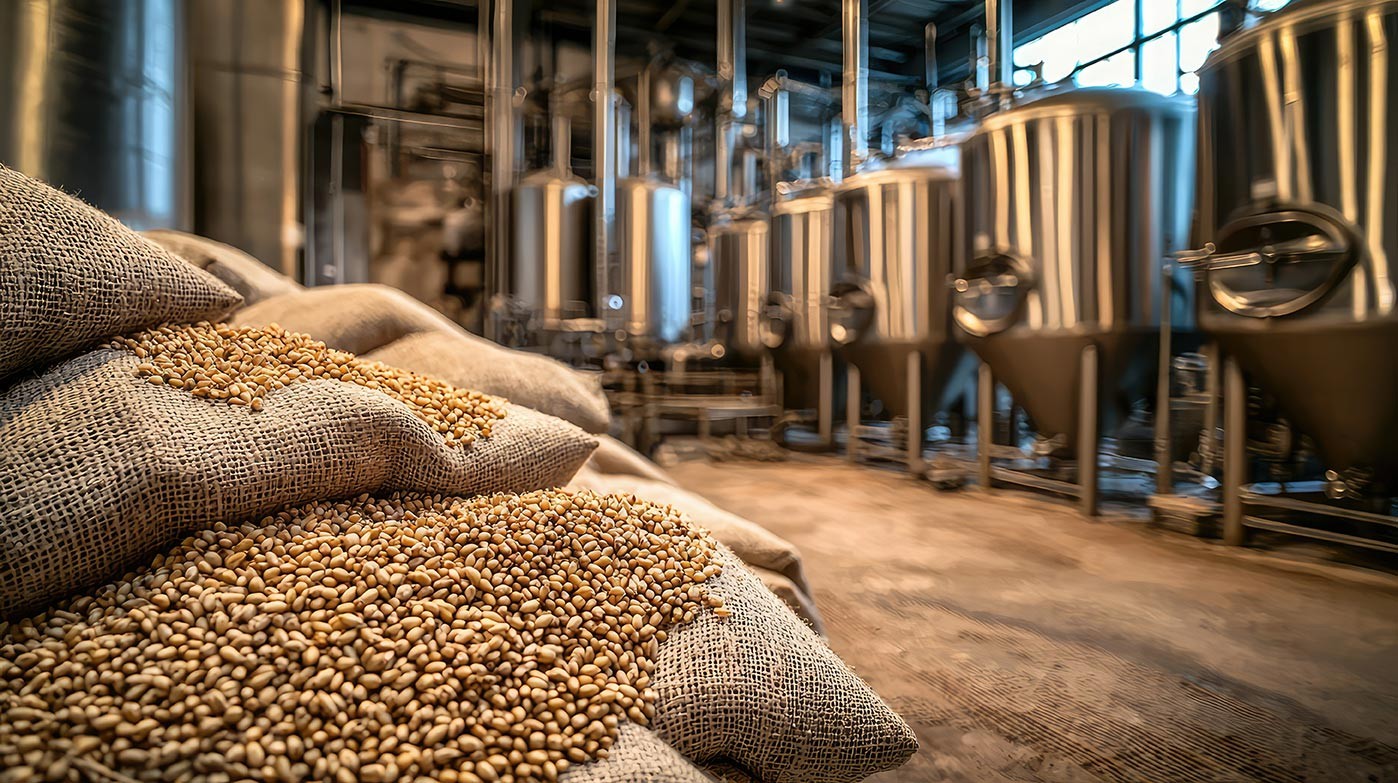
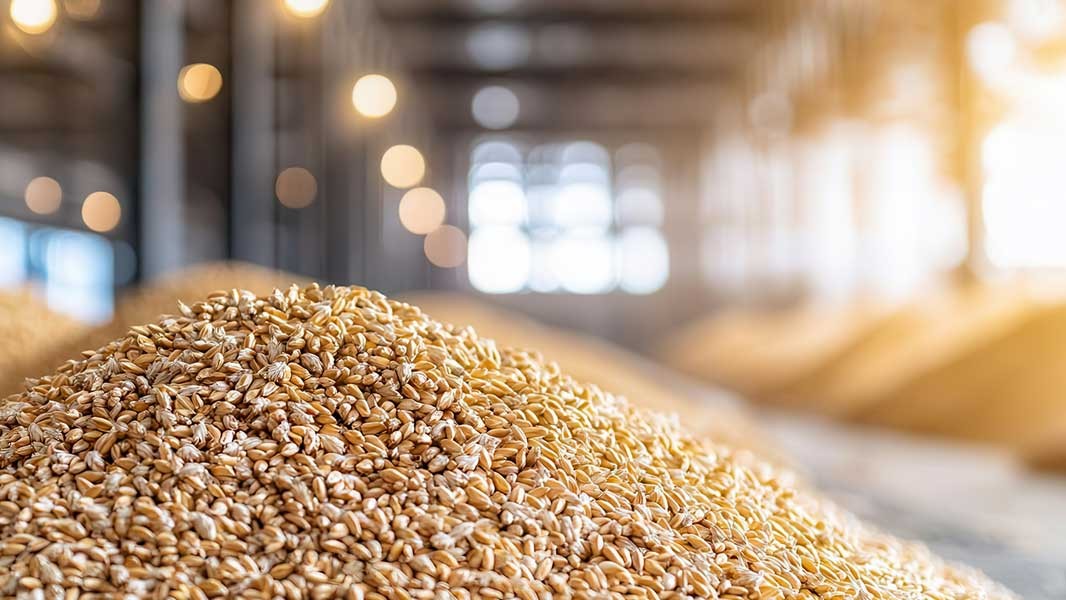
Infracont grain analysers provide feed manufacturers with essential support for fast quality testing of feed raw materials – cereals, maize, oilseeds and soybean meal – at intake.

NIR quality testing of feed raw materials at intake

In feed production, Infracont grain analysers can be used primarily for raw material acceptance and qualification.

In the case of end products (different feeds), the many different recipes cause difficulties in the application of NIR technology: if the ratio of ingredients (especially that of corn and soybean meal) changes in the recipe, the calibration developed for the previous ingredient ratio will probably not work properly and a new calibration will have to be developed.

Since calibration development is a rather complicated and expensive process in NIT transmission, which is the principle on which our instruments work, reflectance mode instruments are more suitable for feed analysis.

Recommended products

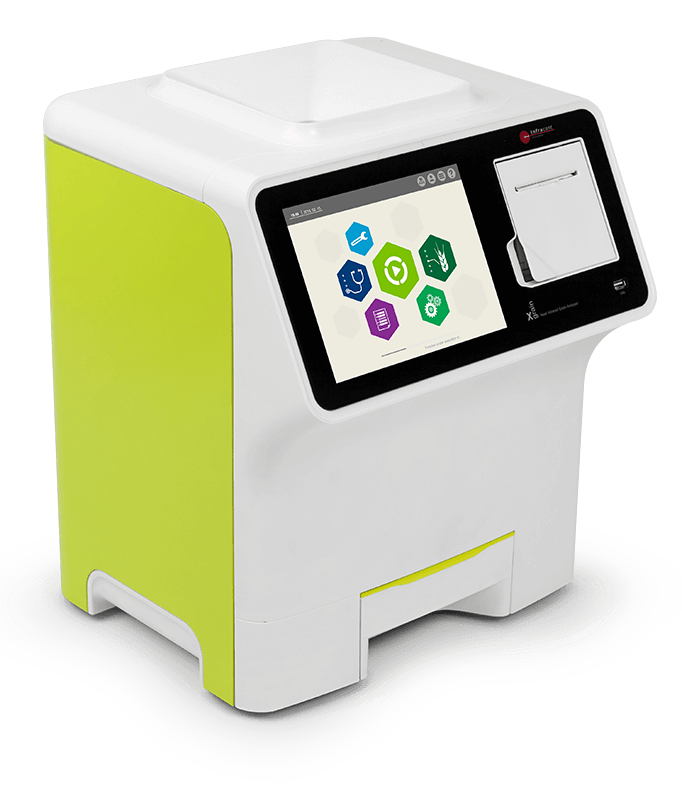
XGrain Near Infrared Grain Analyser XGrain Near Infrared Grain Analyser

Professional Near Infrared Transmission grain and flour analyser for analysing whole grain cereals and oil seeds as well as flour content parameters with a built-in hectolitre weight module.
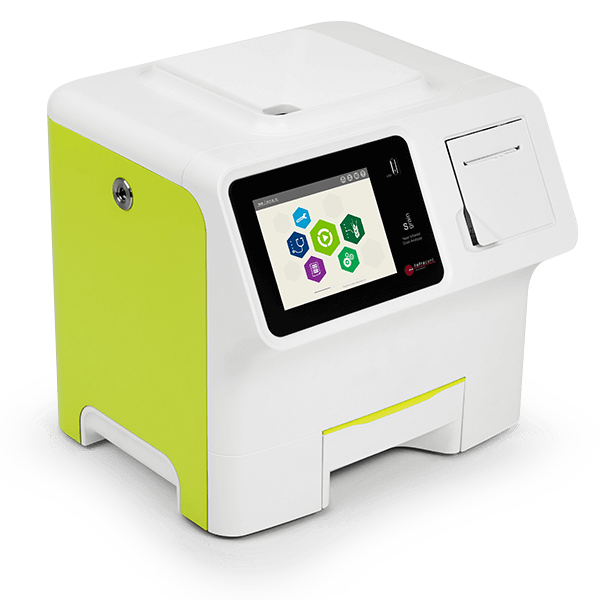

SGrain Near Infrared Grain Analyser SGrain Near Infrared Grain Analyser

Infracont SGrain is the only portable grain analyser in the world that provides the highest accuracy by applying a high-precision scanning grating monochromator optics inside.

Related blog posts

Frequently Asked Questions

What can Infracont grain analysers be used for in feed production?

In feed production, Infracont grain analysers are used primarily for raw material acceptance and qualification at intake. The moisture, protein and oil content of incoming cereals, maize, oilseeds and soybean meal can be measured quickly on site, so the actual composition of the raw materials is known before mixing, and recipes can be formulated based on real values.

Can finished feed be measured with Infracont NIT instruments?

Infracont NIT instruments are not recommended for measuring finished feeds. Feeds are produced with a great variety of recipes, and if the ratio of ingredients changes – especially that of corn and soybean meal – the calibration developed for the previous ratio will probably not work properly, so a new calibration has to be developed. With NIT transmission, this is a complicated and expensive process, which is why reflectance mode instruments are more suitable for finished feed analysis.

What is the difference between NIT transmission and NIR reflectance measurement in feed analysis?

NIT transmission instruments – such as Infracont analysers – measure the near-infrared light passing through the sample, so whole grains and oilseeds can be analysed without grinding; this is ideal for fast intake grading of homogeneous raw materials. Reflectance mode instruments measure the light reflected from the surface of the sample and are more widely used for ground, compound samples, such as finished feeds with changing recipes. For feed manufacturers, an NIT instrument is therefore recommended for raw material intake, and a reflectance instrument for end product analysis.