
Menu

Grain intake and storage

Infracont grain analyzers provide grain buyers, storage facilities, drying and warehouse operators with essential support for fast quality testing at intake and for segregating batches by quality.

Storage segregated by quality, preserving value in the silo

As mentioned above, the price of grain is also influenced by its quality parameters. During harvest, the quality of batches from different fields and different producers, possibly grown with different technologies or even of different varieties, can vary significantly. At intake, the moisture content of each delivered batch must be determined to decide whether the given truckload needs to be dried or not, because during storage it is critical that the moisture content does not exceed the limit of 13-14%.

But if moisture must be measured in any case, it is worth knowing the other quality parameters as well, in order to be able to segregate the batches to be stored by quality, as the lack of segregation can cause significant loss of value and make it difficult to produce raw materials of the right quality for the processing industry. If batches of different quality are mixed, there is a good chance that the entire quantity supplied will fall into the lower quality category, and there is a risk that the stored quantity will be of very heterogeneous quality.

For example, if most of our suppliers have sown feed wheat and deliver batches with a protein content of 9-10%, but there are a few who have produced premium quality and bring wheat of 15% or more, then if we mix them together, the resulting blend may be downgraded to feed quality. In any case, it is quite likely that we will lose the price premium for the high-quality batches that we would have received if we had segregated them.

In this case, the NIR instrument serves as an operational decision-support tool for preserving the value of the raw material.

Recommended products

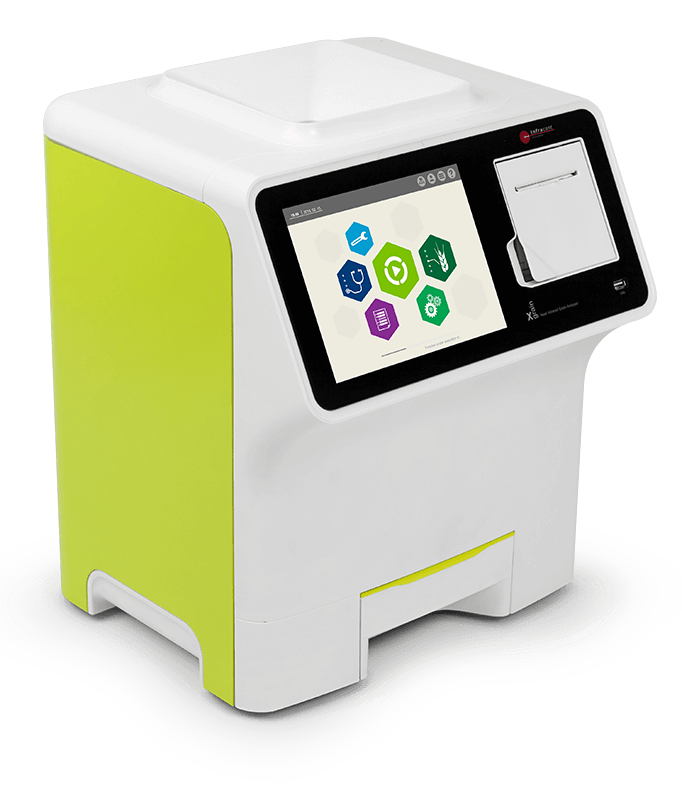
XGrain Near Infrared Grain Analyser XGrain Near Infrared Grain Analyser

Professional Near Infrared Transmission grain and flour analyser for analysing whole grain cereals and oil seeds as well as flour content parameters with a built-in hectolitre weight module.
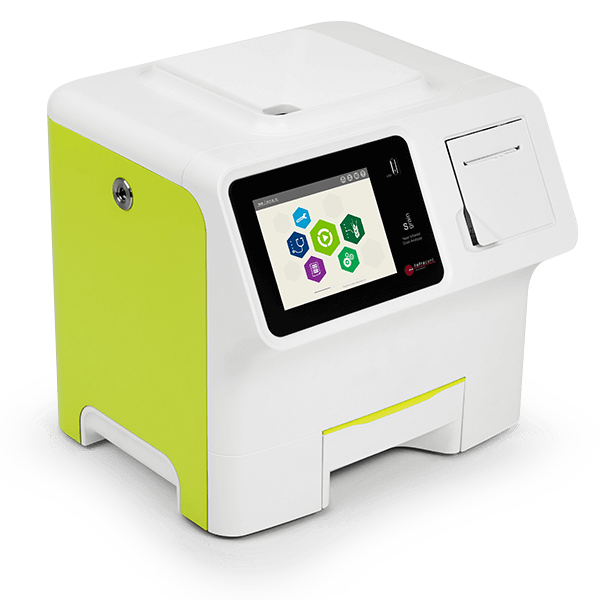

SGrain Near Infrared Grain Analyser SGrain Near Infrared Grain Analyser

Infracont SGrain is the only portable grain analyser in the world that provides the highest accuracy by applying a high-precision scanning grating monochromator optics inside.

Related blog posts

Frequently Asked Questions

How can intake measurements be documented and retrieved later?

Measurement results from Infracont analyzers are uploaded automatically to the InfraCloud cloud service, where they can be retrieved at any time from a computer, phone or tablet, exported to Excel and used to create reports. With the built-in printer, a printout of the result can be produced for every batch immediately, which makes settlement with suppliers transparent and helps resolve disputes.

Which quality parameters does a NIR grain analyzer measure at grain intake?

Infracont NIR grain analyzers measure moisture, protein, gluten, oil and ash content as well as the Zeleny index from whole-grain samples, without grinding or chemical sample preparation. Calibrations are available for cereals, maize and oilseeds (e.g. wheat, barley, maize, rapeseed). The built-in hectoliter weight module of the XGrain also determines test weight in the same step.

Which Infracont analyzer suits a fixed intake point, and which suits multi-site or mobile testing?

For a fixed intake point, laboratory or weighbridge office, the benchtop Infracont XGrain is recommended: with its built-in hectoliter weight module and printer, it measures composition and test weight in a single step. For multiple sites or mobile testing, the portable Infracont SGrain is the better choice: it runs on 12V, for example from a vehicle socket, and offers high measurement accuracy in the portable category thanks to its grating monochromator optics. Both instruments can be connected to the InfraCloud cloud service.

Why must the moisture content of every delivered grain batch be measured at intake?

Because moisture content determines whether a batch needs drying: for safe storage, grain moisture must not exceed 13–14%. Grain that is too wet can heat up, go mouldy and lose quality in storage. Since moisture has to be measured anyway, a NIR grain analyzer also provides protein and gluten content from the same sample, so the batch can be graded by quality immediately.

How quickly are results available at the intake point, and does testing slow down truck reception?

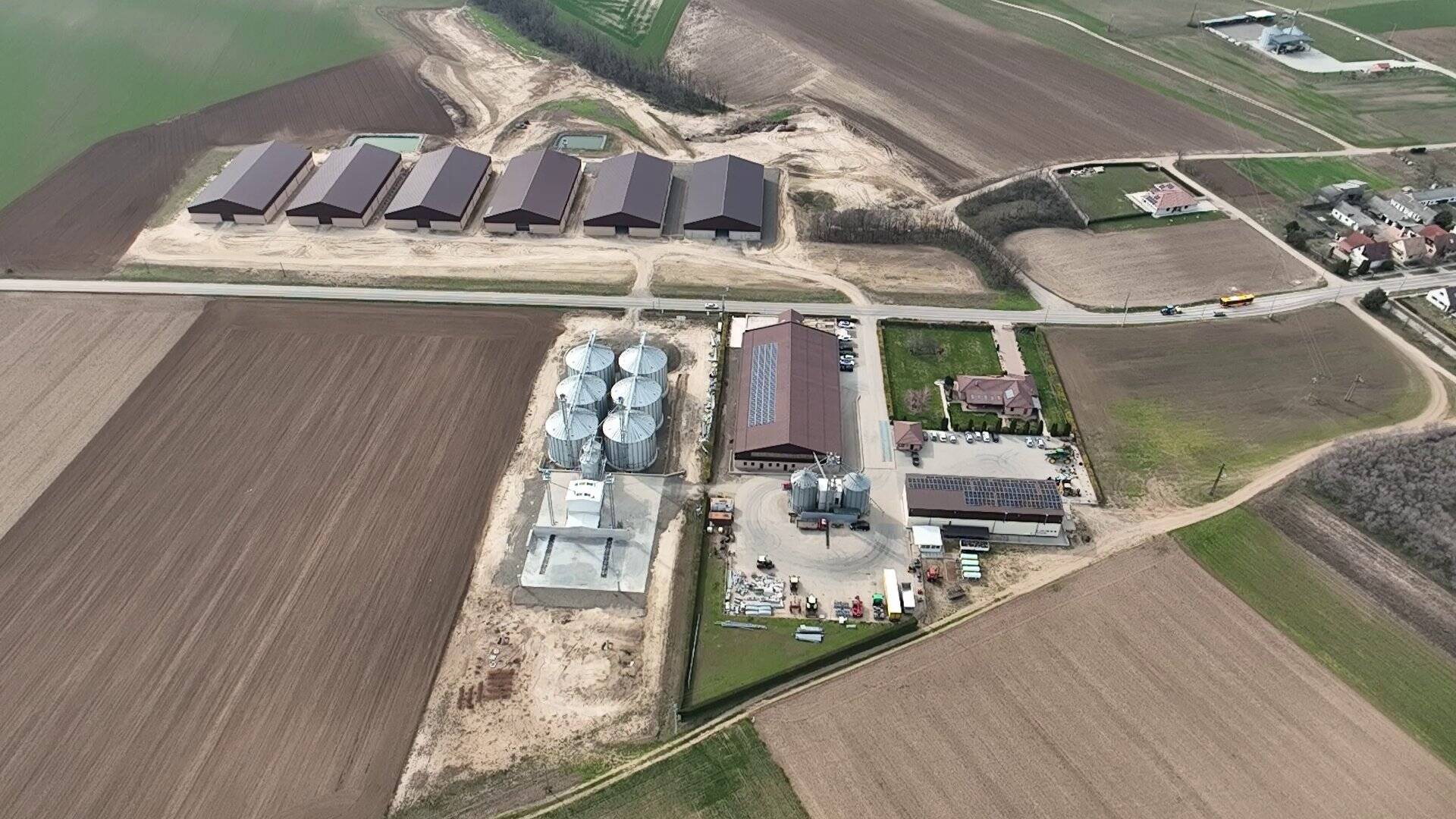
Measurement typically delivers results in under a minute: you pour the grain kernels into the hopper and get the composition values immediately. This way every incoming truck can be tested even at peak harvest without queues, and there is no need to wait days for external lab results. Since introducing the XGrain, Kaitz-Agro Kft. in Hungary, for example, tests every incoming truckload on site, with deliveries from more than 100 producers.

Why should grain be stored segregated by quality?

Because mixing batches of different quality can push the entire quantity into the lower quality category, and the price premium of the high-quality batches is lost. For example, if most suppliers deliver feed wheat with 9–10% protein while a few bring premium wheat above 15%, the blend will end up as feed or standard milling quality, depending on the ratio. With NIR measurement of every batch, premium lots can be directed to a separate bin or silo, and the stored stock keeps a uniform quality.